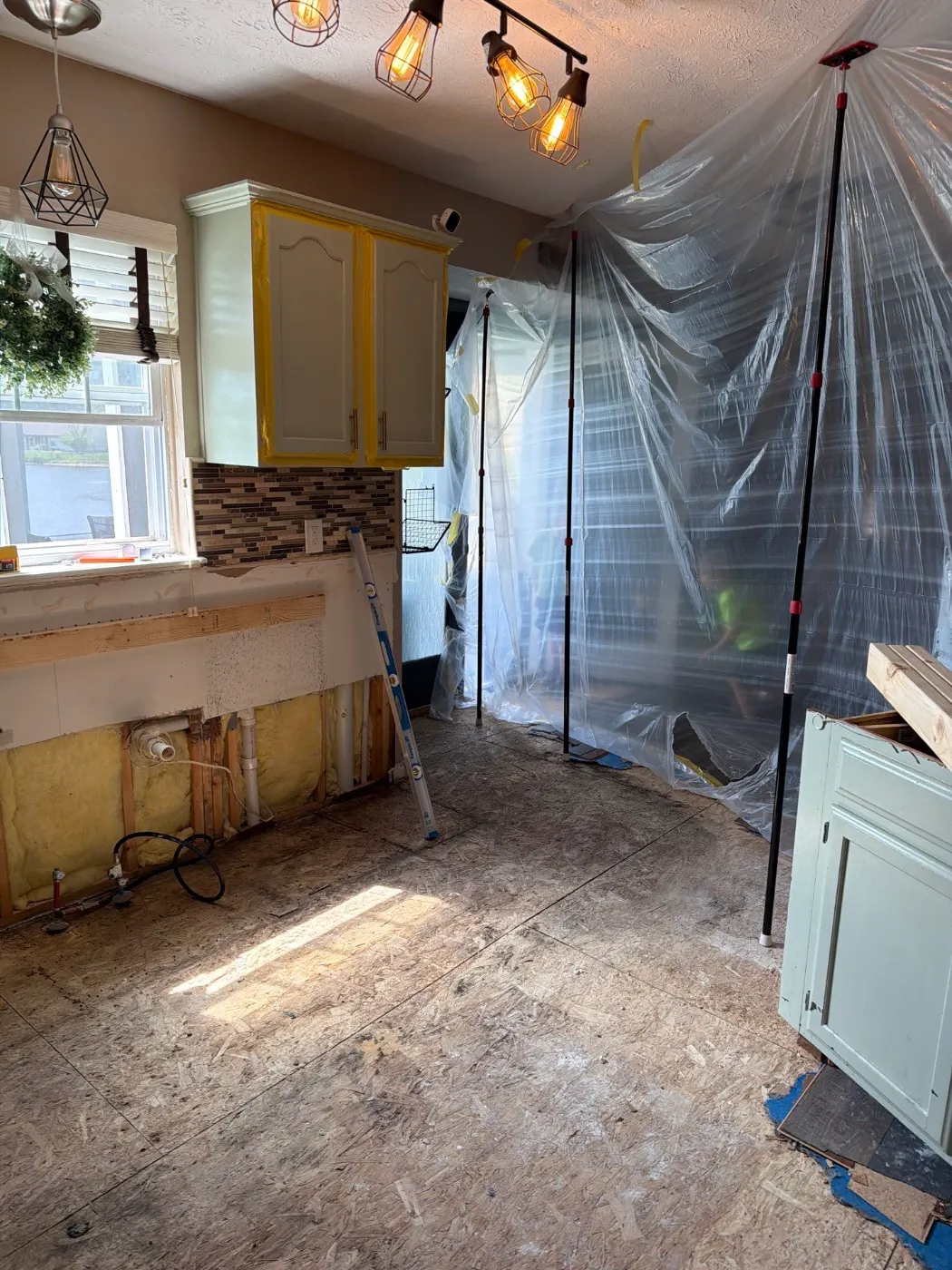
Basement Flooding in Thorntown, IN
When basement water in Thorntown spreads overnight, Thorntown Water Restoration answers the phone at any hour.
Basement Flooding in Thorntown, IN starts with one call to Thorntown Water Restoration: live 24/7 dispatch, IICRC certified response, and honest written scopes before work begins. Call (765) 978-5086.
- Service: Basement Flooding for Thorntown homeowners
- Service area: Thorntown, IN and surrounding areas
- Response time: Rapid emergency dispatch for Thorntown inquiries; crews available 24/7
- Licensed and insured (License #RC21100059)
- Serving Thorntown, IN since 2018
Basement Flooding Cleanup in Thorntown
If your basement in Thorntown has water in it, we'll pump it out and dry the space to a measured standard.
Basements Here
Full basements are common in Thorntown.
Where the Water Comes From
Homes near Sugar Creek face added flood risk after heavy rain.
Our crews work all over Thorntown, from Royal Crossing to the streets near Tom Johnson Memorial Park and Lions Park. Nearby, we also pump out basements in Colfax, Lebanon, Clarks Hill and Advance.
Expert Basement Flooding for Thorntown Homeowners
A window well drains into the same saturated soil that surrounds your Thorntown foundation, so during a long rain it fills like a bucket. Water stands against the glass and the frame seal until some of it finds a way in, and the carpet edge under the window usually soaks first. Thorntown Water Restoration dries what got in and photographs the well and the window for whoever repairs them.
Most of what people store in a basement sits on the floor, so Thorntown Water Restoration deals with contents early. The crew lifts furniture onto blocks, moves boxes to dry space and photographs anything damaged before it leaves your Thorntown home. That list goes into your photo report, which helps if you decide to file a claim for your belongings.
Insulation type decides what happens to it in a finished basement wall. Fiberglass batts that soaked come out of the bay because they hold water and dry slowly. Rigid foam board and closed cell spray foam resist water, so they can often stay once the wall behind them reads dry, and the crew photographs the readings behind each call in your Thorntown home.
When a storm knocks out power and the sump pump stops, the cause matters to a claim. Write down when the lights went out, and keep a screenshot of the utility's outage notice. Your adjuster decides how your policy treats a pump that lost power, and Thorntown Water Restoration records the condition of the pump and pit in your Thorntown basement.
Call Thorntown Water Restoration before you start hauling carpet out of the basement yourself. A crew dispatches to Thorntown, and what comes out gets decided by meter readings and photographed for your file before it moves. Two hour dispatch around the clock across Thorntown and Boone County, and a drying plan that's written in numbers you can check.
Signs You Need Basement Flooding Cleanup
If you notice any of these in your Thorntown home, schedule a free inspection before the issue worsens.
Water beading out of a wall crack during a steady rain, then drying up when the rain stops
Hardwood on the floor above the basement cupping or crowning along the board edges
Batt insulation sagging out of the stud bays, darker and heavier along the bottom edge
The breaker feeding your Thorntown sump pump has tripped and the pit is filling
Laminate or engineered flooring cupping, with seams lifting in the middle of a plank run
Water seeping under the door at the bottom of a walkout or exterior basement stairwell
Water on the Thorntown basement floor in early spring while the snow melts, even with no rain
Carpet that squishes underfoot along the perimeter while the middle of the room still feels dry
Storage tubs in your Thorntown basement sitting in standing water, with papers and photos stuck together
Water rising around the floor drain cover, or the drain taking laundry water slowly
How Thorntown Water Restoration Handles Basement Flooding
We follow these steps in order on every Thorntown job.
Source Check
The crew finds where the water came from and photographs it before anything moves. Seepage through a foundation wall gets handled differently from a backup out of a sanitary line, and the source decides what protective gear the job needs and which materials come out.
Silt and Debris Cleanup
Water from outside leaves silt on the slab and along the base of the walls. The crew shovels and vacuums the sediment, then cleans the surfaces that stay, because mud holds moisture against the floor and sours quickly in a closed space.
Wall Cavity Drying
Small holes behind the baseboard let conditioned air flow into the stud bays of a finished wall in your Thorntown home. That pulls moisture off the back of the drywall and out of the framing, so more of the wall can stay in place.
Records Handoff
You receive the photo report, the moisture map, the daily logs and the equipment record for your Thorntown basement in one file. The crew goes through it with you and answers questions about any line, so you can use it with your insurance company.
Repair Planning
With the clearance readings in hand, the crew goes through what was removed and what needs to go back. You can ask about materials that handle moisture better, and the repair scope is yours to approve before any work is scheduled.
Basement Flooding in Thorntown
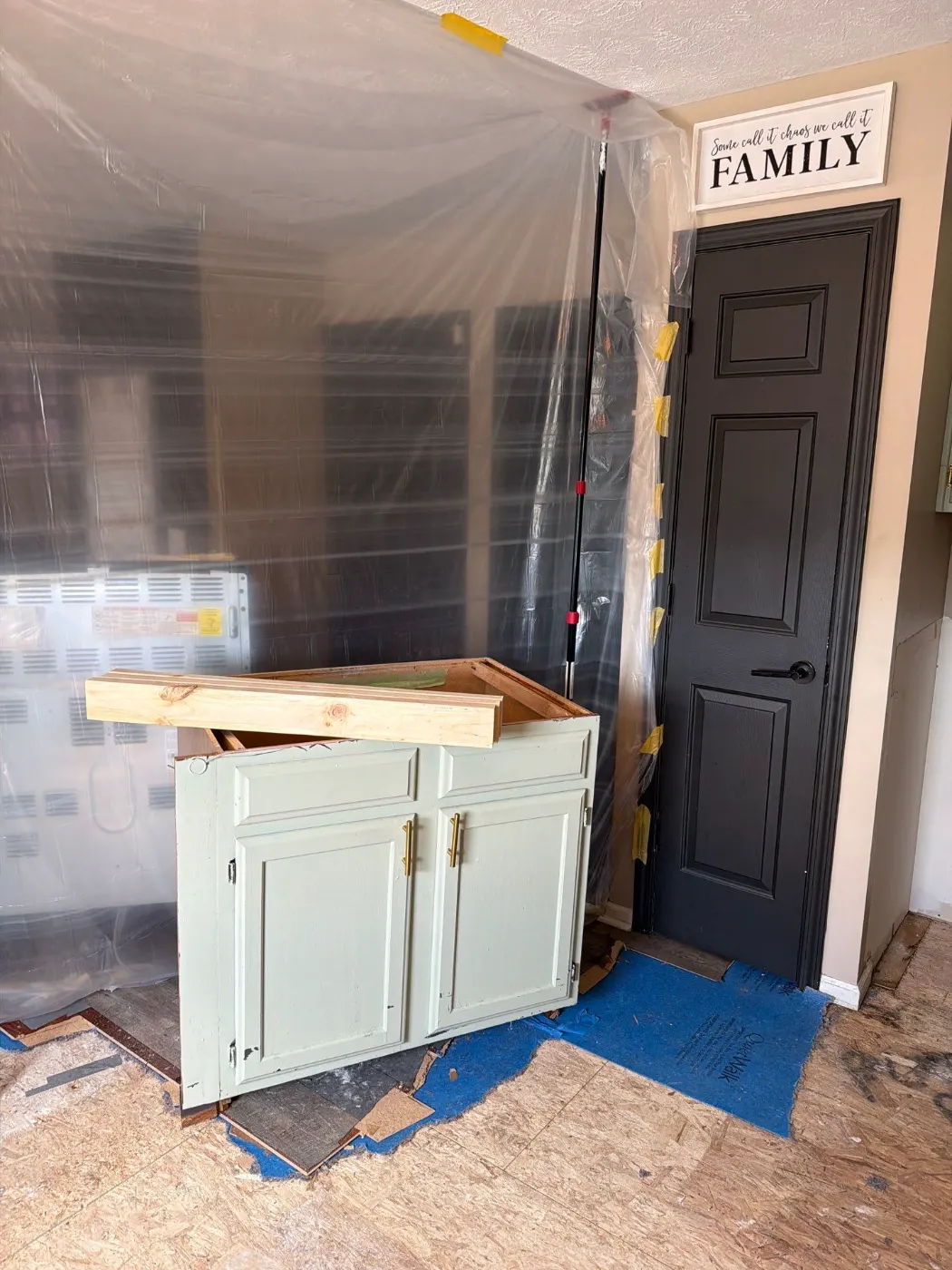
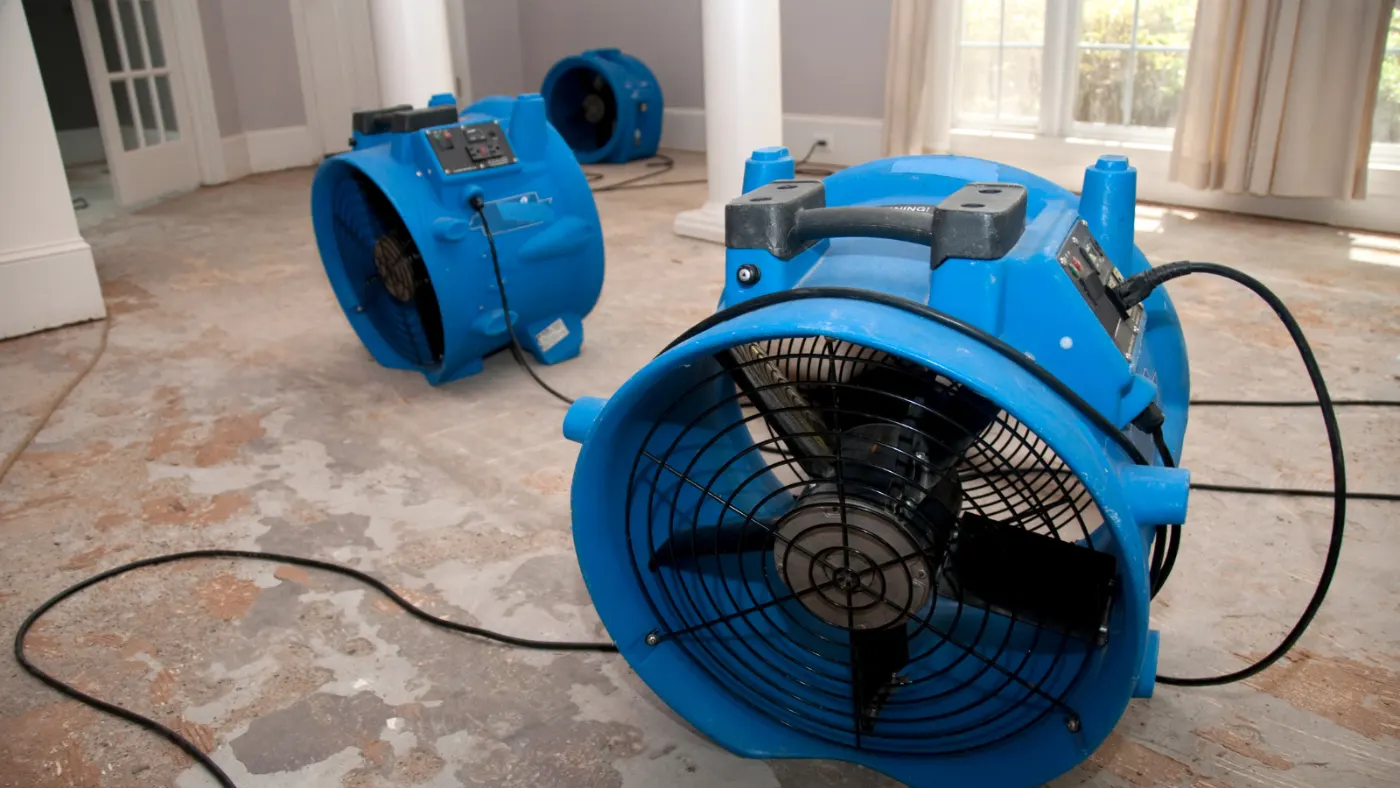
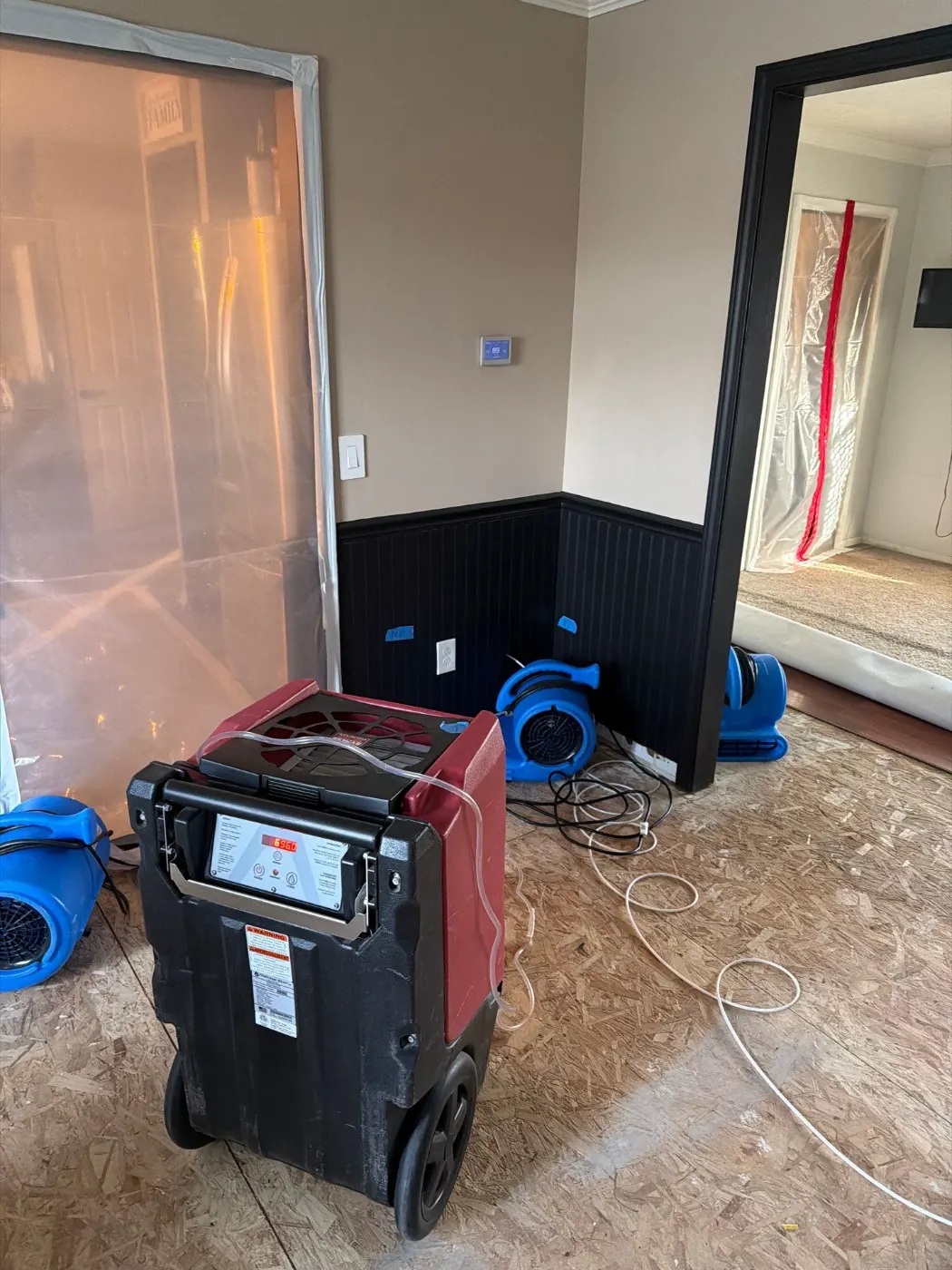
Photographs from real basement flooding jobs completed by our crew in Thorntown and surrounding areas.
Basement Flooding FAQ
Questions Thorntown homeowners ask us about basement flooding cleanup.
Guidance and Standards for Basement Flooding
- EPA advises drying water damaged areas and items within 24 to 48 hours to prevent mold growth. EPA: A Brief Guide to Mold, Moisture and Your Home
- Ready.gov notes that homeowners insurance policies don’t cover flooding, so check what your own policy says. Ready.gov: Floods
Thorntown Neighborhoods We Serve
We take basement flooding calls in every part of Thorntown. Pick your neighborhood for local details.
Other Restoration Services in Thorntown
Thorntown Water Restoration handles the full scope of restoration work. Explore our other services below.
Water Damage Restoration in Thorntown
24/7 emergency response. IICRC certified water restoration from extraction to full dry out.
Learn more →Sewage Cleanup in Thorntown
Category 3 biohazard cleanup. Full containment, decontamination, structural restoration.
Learn more →Storm Damage in Thorntown
Storm related water emergencies. Tarping, extraction, drying, and full restoration.
Learn more →Request Basement Flooding Cleanup
Reach Us Directly
Our team is available 24/7 for emergencies and ready to schedule inspections during business hours.
Need Immediate Help?
For active water or mold emergencies, call us directly. We are available 24/7.