Commercial Water Restoration in Thorntown, IN
Commercial drying in Thorntown done to the IICRC S500, phased around your operations and documented for your carrier.
Searching for Commercial Water Restoration near Thorntown? Thorntown Water Restoration dispatches 24/7, documents everything, and works with your insurance carrier from first call to final walkthrough. Call (765) 978-5086.
- Service: Commercial Water Restoration for Thorntown homeowners
- Service area: Thorntown, IN and surrounding areas
- Response time: Emergency water calls in Thorntown get crews rolling, not callbacks
- Licensed and insured (License #RC21100059)
- Serving Thorntown, IN since 2018
Commercial Water Damage Restoration in Thorntown
For offices and other commercial buildings in Thorntown, we'll handle water extraction and drying at any hour.
Site Conditions
Properties near Sugar Creek carry added flood risk in heavy rain. Freeze and thaw cycles each winter can burst pipes in unheated parts of a commercial building. Your building's own drains and roof get checked on the first walkthrough with whoever manages the property.
We cover commercial properties across Thorntown, including the area around Western Boone Junior-Senior High School and Thorntown Town Hall. We also handle commercial water losses in Darlington, Colfax, Lebanon and Clarks Hill.
Commercial Water Restoration for Thorntown Businesses
Saturday night's cold snap split a sprinkler branch line in an unheated stairwell, and the system ran until somebody found it on Sunday afternoon. Now water has soaked the landings and the corridor below, and it has reached the suites behind them. Thorntown Water Restoration handles weekend losses in Thorntown and keeps a dated record of how far the water traveled.
The IICRC S500 sorts water losses into classes by the amount of wet material and the speed at which it gives up moisture. Thorntown Water Restoration assigns a class to each affected area of your Thorntown building, so a carpeted office soaked from above and a concrete slab that holds water deep each get a drying plan matched to the class.
Extraction runs before any drying equipment goes in. Submersible pumps take standing water, truck mounted units pull saturation out of commercial carpet and glue down assemblies, and weighted extraction heads work the backing where water held. On large floor plates crews work in sections so water doesn't get pushed into dry areas. Volume removed gets recorded, since it feeds the drying calculation that sizes the equipment.
Choose one person to speak for the property with the carrier and give that person the file. Conflicting accounts from different staff members slow a claim down. Thorntown Water Restoration sends every update for your Thorntown building to that one contact, with the readings and photographs attached, so the carrier hears a single version of events.
Have the address and the suite number in front of you when you phone Thorntown Water Restoration about water in your Thorntown building. Expect questions about where the water is entering and who holds the keys, and the walkthrough then gets set up around your answers, with your building engineer in the loop from the start.
Signs You Need Commercial Water Restoration
If you notice any of these in your Thorntown building, schedule a free inspection before the issue worsens.
The water meter still turning overnight while every fixture in the building is shut off
Rust staining at the base of steel studs, shelving uprights or racking posts
Chilled water pipe insulation dripping onto the ceiling tiles below it
Sprinkler branch line cracked at a coupling with water still running from the ceiling
Brown stains forming on ceiling tiles beneath a roof drain location after a storm
Patches of a concrete slab staying dark for hours after everything around them dried
Carpet in the sanctuary or fellowship hall squishing underfoot after a weekend storm
An interior roof drain leader gurgling or backing up during heavy rain
Water pooling at the base of an interior column or along a demountable partition track
Hot water heating pipe leaking inside a classroom unit ventilator cabinet
How Thorntown Water Restoration Handles Commercial Water Restoration
We follow these steps in order on every Thorntown job.
Moisture Mapping
Every affected area gets read with thermal imaging and both noninvasive and penetrating meters, floor by floor where water moved vertically. The crew photographs the source, and the readings set how much drying equipment each area needs.
Overhead Water and Ceilings
Sagging ceiling panels are punctured over protection so trapped water drains into a controlled spot. Wet tile and insulation come down, and the grid gets checked before the plenum above it gets dried.
Structural Drying Design
Dehumidification gets sized from affected cubic footage and material porosity, with dry air ducted into ceiling plenums, wall cavities and shafts. Air movers get placed to keep surface air moving, and the calculation gets revised as readings change.
Daily Monitoring and Reporting
A technician reads the same locations every 24 hours, logs them against unaffected baseline readings taken elsewhere in the building, and repositions equipment as the wet zones shrink. The day's numbers go to your management office.
Reconstruction and Reoccupancy
Flooring, gypsum board, ceiling tile, grid, millwork and paint go back once the readings clear. Slabs get verified with in situ probes before new glue down flooring covers them, and the space gets walked with you before handover.
Commercial Water Restoration in Thorntown
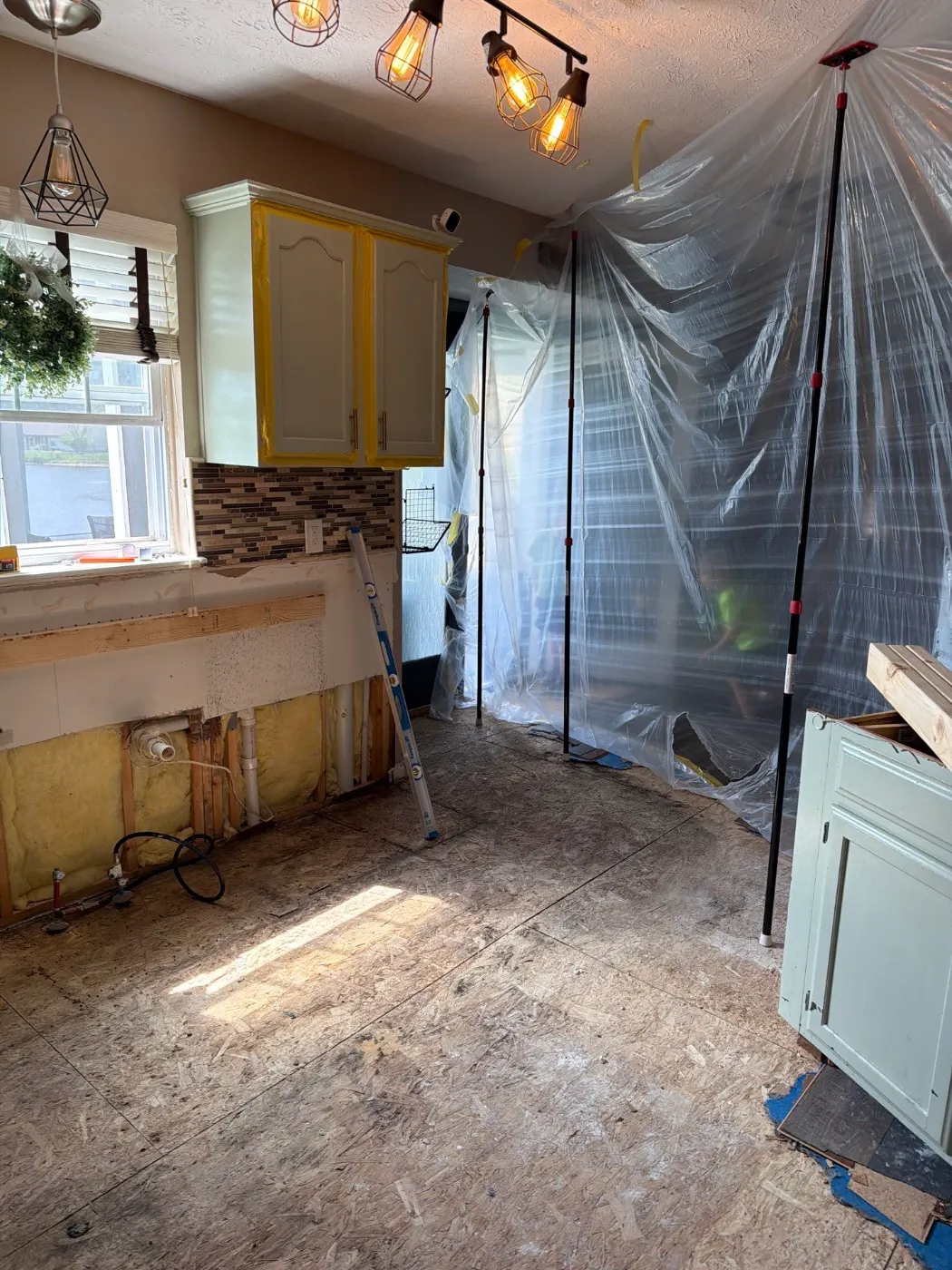
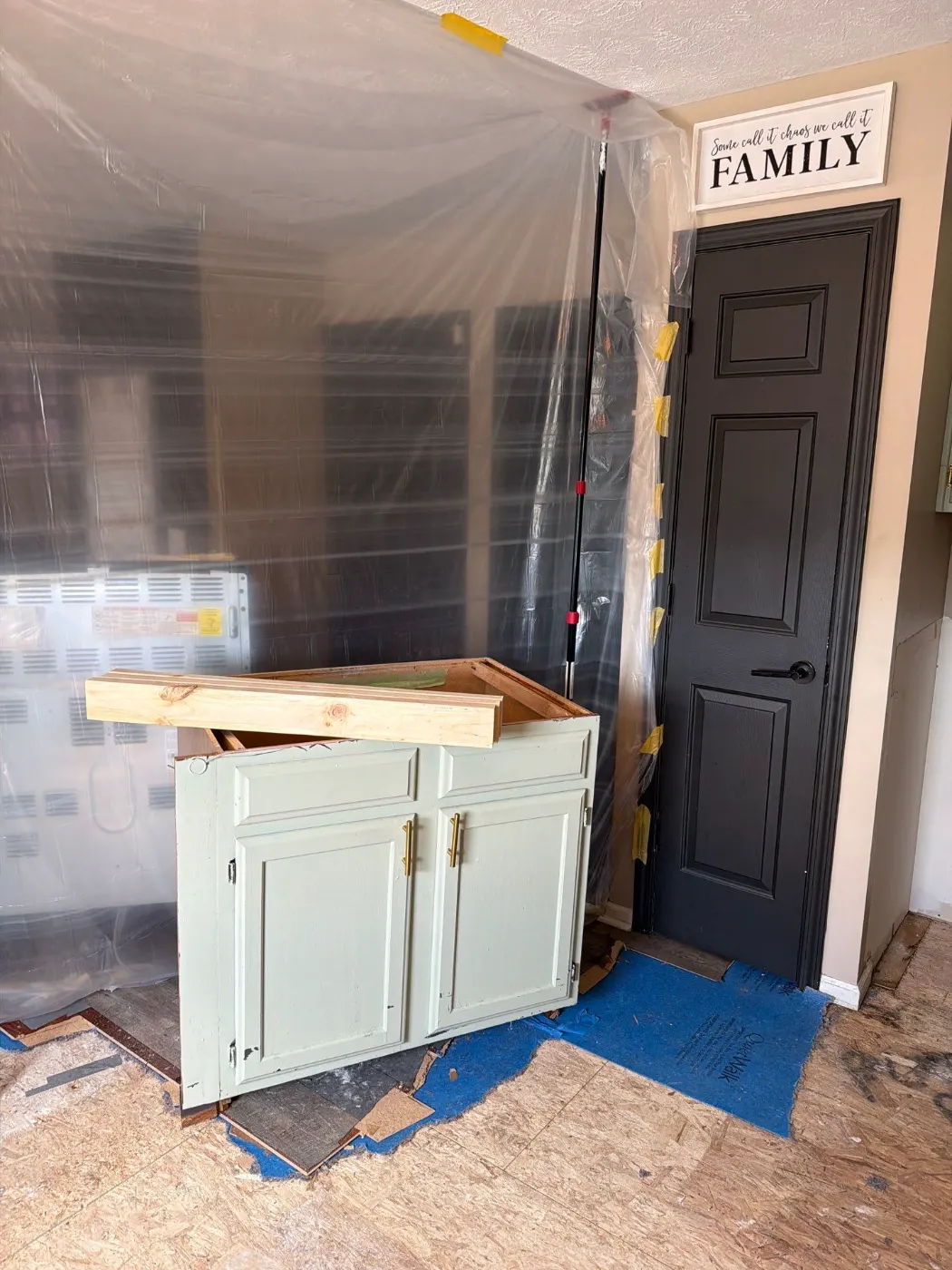
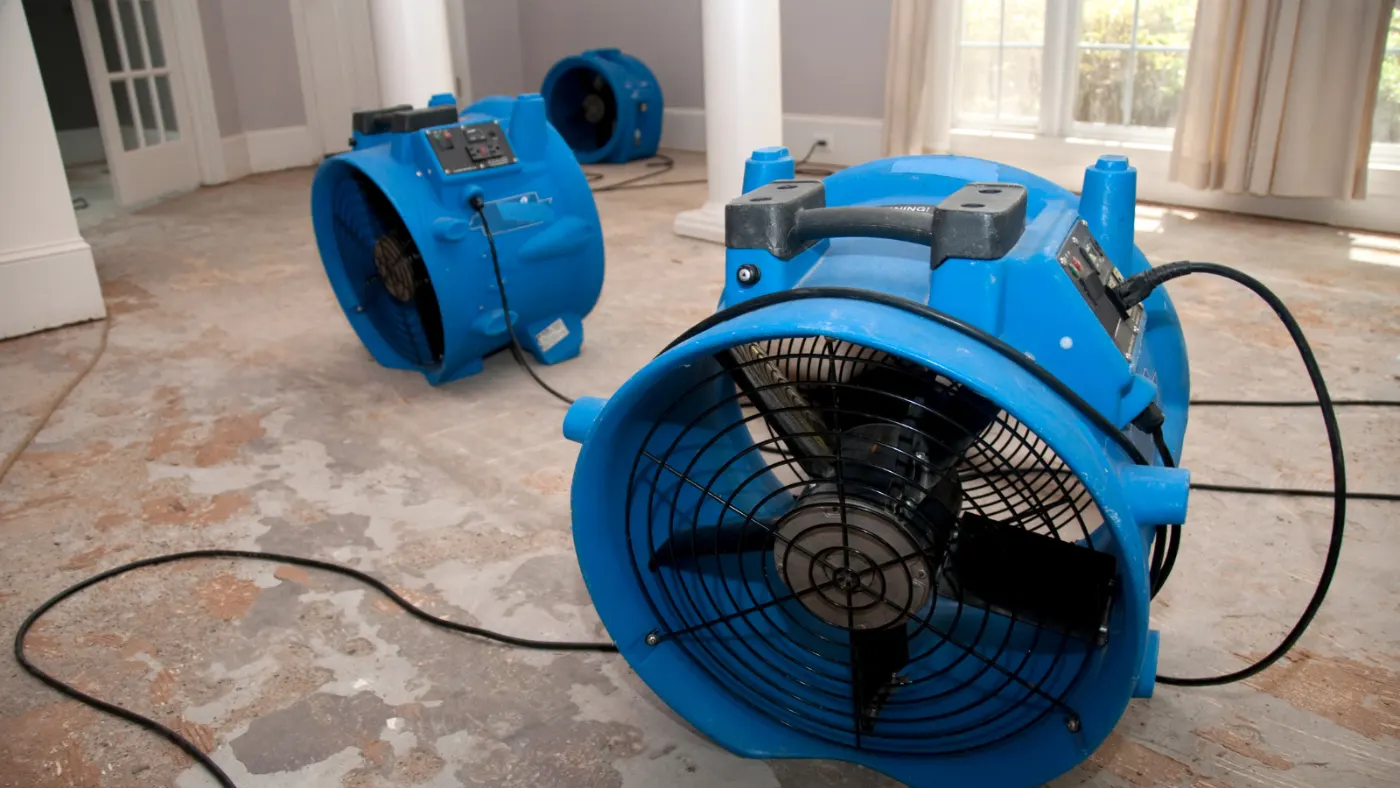
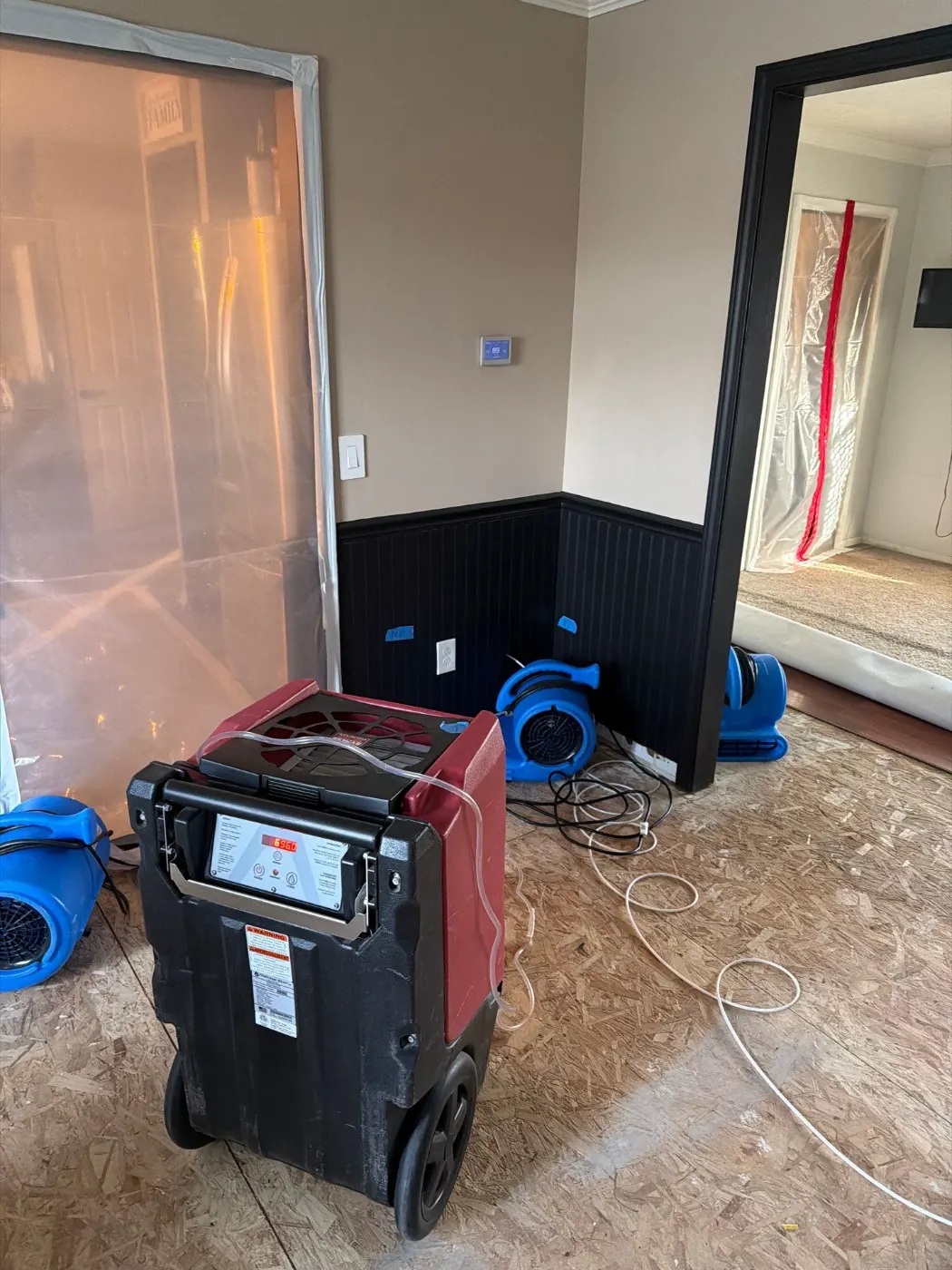
Photographs from real commercial water restoration jobs completed by our crew in Thorntown and surrounding areas.
Commercial Water Restoration FAQ
Questions Thorntown property managers ask us about commercial water restoration.
Guidance and Standards for Commercial Water Restoration
- The ANSI/IICRC S500 is the published standard for professional water damage restoration. The current edition is the Fifth Edition, 2021. IICRC S500 Standard
- EPA advises drying water damaged areas and items within 24 to 48 hours to prevent mold growth. EPA: A Brief Guide to Mold, Moisture and Your Home
Thorntown Neighborhoods We Serve
We take commercial water restoration calls in every part of Thorntown. Pick your neighborhood for local details.
Other Restoration Services in Thorntown
Thorntown Water Restoration handles the full scope of restoration work. Explore our other services below.
Water Damage Restoration in Thorntown
24/7 emergency response. IICRC certified water restoration from extraction to full dry out.
Learn more →Basement Flooding in Thorntown
Basement water emergencies handled fast. Extraction, drying, mold prevention.
Learn more →Sewage Cleanup in Thorntown
Category 3 biohazard cleanup. Full containment, decontamination, structural restoration.
Learn more →Request Commercial Water Restoration
Reach Us Directly
Our team is available 24/7 for emergencies and ready to schedule inspections during business hours.
Need Immediate Help?
For active water or mold emergencies, call us directly. We are available 24/7.