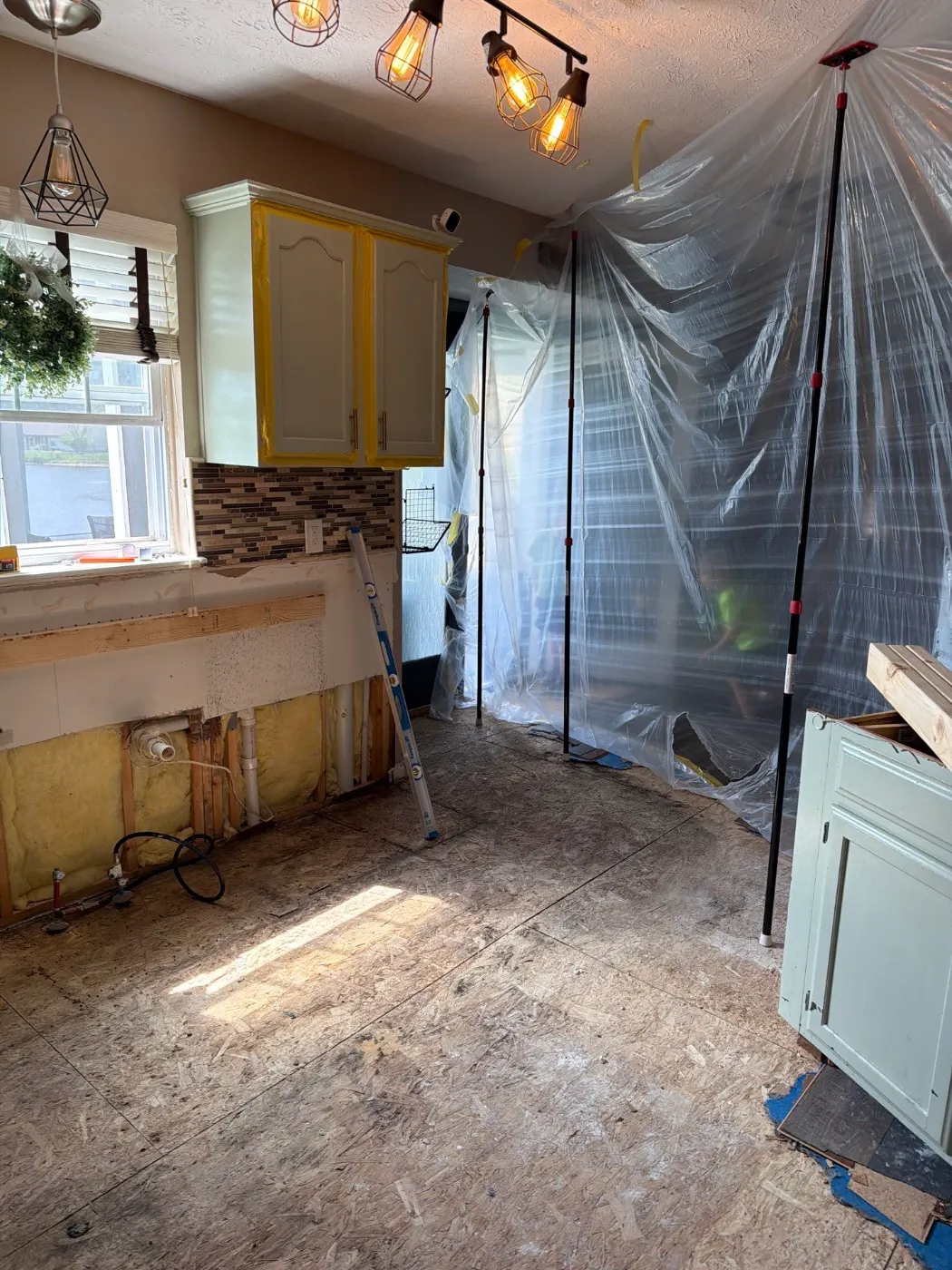
Commercial Storm Damage in Thorntown, IN
Commercial storm response across Thorntown, IN, with the roof secured first and the interior dried underneath it.
For Commercial Storm Damage in Thorntown, Thorntown Water Restoration brings the equipment, the certifications, and the paperwork: 24/7 response, written scopes, and insurance claim support. Call (765) 978-5086 for dispatch.
- Service: Commercial Storm Damage for Thorntown homeowners
- Service area: Thorntown, IN and surrounding areas
- Response time: Emergency calls from Thorntown dispatched immediately, day or night
- Licensed and insured (License #RC21100059)
- Serving Thorntown, IN since 2018
Commercial Storm Damage for Thorntown Businesses
Interior drying can't close out while the roof is still open, so the first job on your Thorntown building is stopping the water. Thorntown Water Restoration gets a temporary dry in over the breach, then starts extraction underneath it, and times the two together so the drying equipment isn't fighting a live leak. Two hour dispatch, with readings logged per space from the first visit.
On a storm job, Thorntown Water Restoration gets a temporary dry in over the breach before the interior drying starts. Extraction runs underneath it on the same visit, and the cover gets checked after every rain while the interior equipment runs. The permanent roof repair stays on the work order until a roofing scope takes it over at your Thorntown property.
Controlled demolition on Thorntown Water Restoration commercial jobs means removing the materials that can't be dried in place. Saturated batt insulation and wet lay in tile come out, and gypsum gets cut at a clean line above the wet zone where the meters justify it. Each decision gets photographed and explained to the property manager before anybody opens a wall in your Thorntown building.
The carrier's estimate and the mitigation invoice are built differently, so the totals can differ even when both describe the same work. When a line is questioned, the readings and photos behind it answer the question. You and your broker decide how to respond, and Thorntown Water Restoration explains any line of the Thorntown scope in writing.
Tenants who still need to work in your Thorntown building shape the drying plan, so say so when you call Thorntown Water Restoration. The crew builds containment around the wet area and schedules the loud work for after hours. A marked dry route keeps people moving through the rest of the floor.
Signs You Need Commercial Storm Damage Restoration
If you notice any of these in your Thorntown building, schedule a free inspection before the issue worsens.
Vinyl tile or glue down carpet lifting at the seams out in the middle of a floor plate
Grout between floor tiles darkening in a pattern that spreads a little more each day
Interior wall base swelling, delaminating, or pulling away from the gypsum behind it
Carpet tile that squishes underfoot along the glass line of a storefront or window wall
Fan coil or convector cabinets along a window wall holding water at the bottom
The smell of damp cardboard in a stockroom that gets stronger after each heavy rain
Water lines on the lower walls of a dock office or receiving area
Standing water ponding on the roof more than two days after the rain stopped
Metal door frames rusting at the base, with the gypsum board around them swelling
Damp, darkened flooring in a band just inside the main entrance after a windy rain
How Thorntown Water Restoration Handles Commercial Storm Damage
We follow these steps in order on every Thorntown job.
Power and Safety Walk
Before extraction starts, the crew walks the wet areas with your building engineer and confirms which circuits serve them. Cords run through ground fault protection, and the electrician decides what can be reenergized.
Emergency Roof Dry in
The membrane breach or failed detail gets covered with a temporary dry in built to hold through the next rain. Photos go in the file before and after. The permanent repair stays on the work order until a roofing scope takes it over.
Water Category Call
Rain that started clean can worsen in category as it sits, so the crew classifies the water as it entered and again as it has aged. That call sets which materials get cleaned in place and which come out.
Midpoint Scope Review
Partway through the job, the crew compares the readings with the projected equipment period and tells the property manager if the schedule or the scope has moved. Added removal is photographed and explained before the work starts.
Closeout File and Walkthrough
A walkthrough with the property manager closes the job, and the crew hands over one organized file with the photos, the readings, the equipment run hours and the scope. Ownership and the carrier's reviewer can read it start to finish.
Commercial Storm Damage in Thorntown
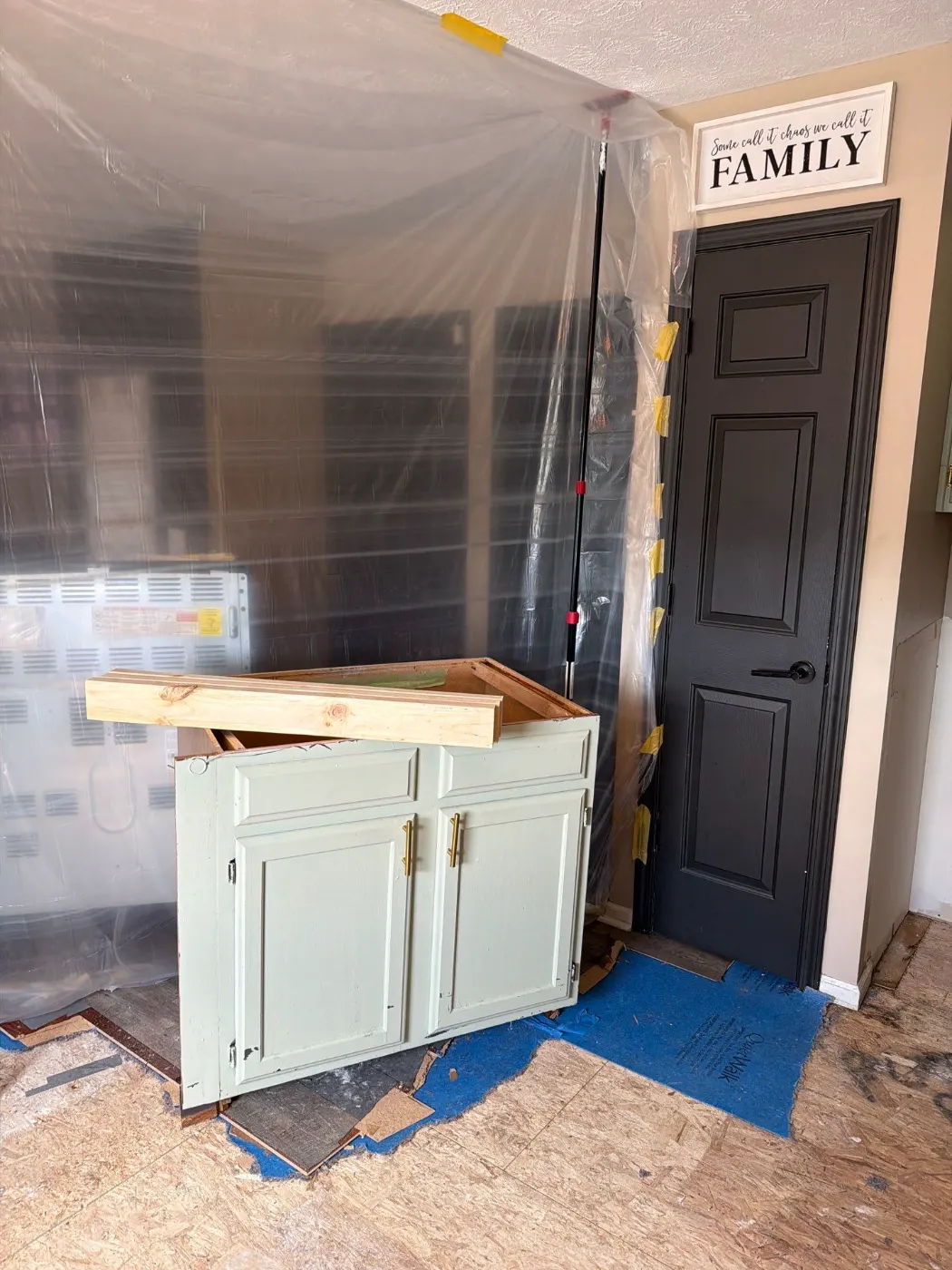
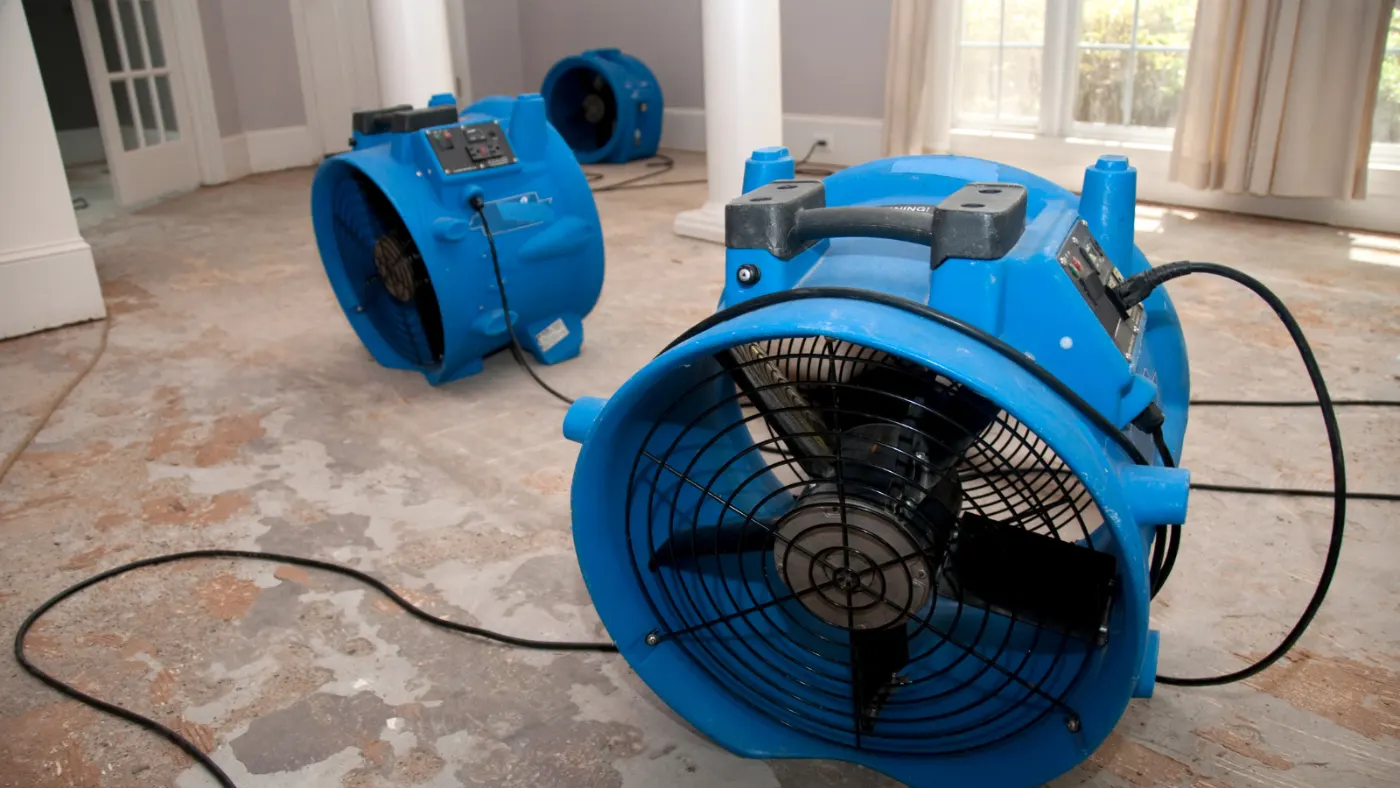
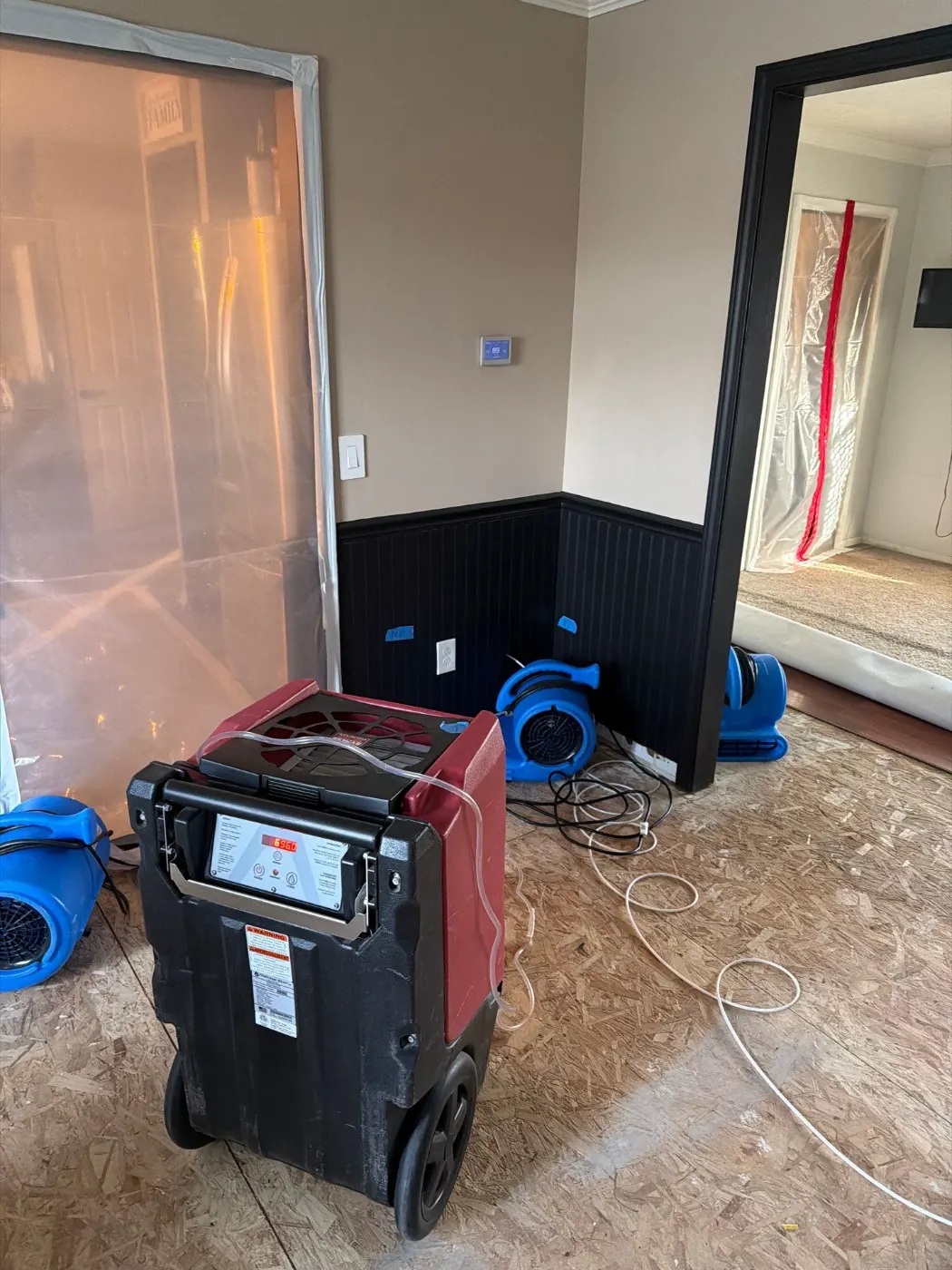
Photographs from real commercial storm damage jobs completed by our crew in Thorntown and surrounding areas.
Commercial Storm Damage FAQ
Questions Thorntown property managers ask us about commercial storm damage restoration.
Guidance and Standards for Commercial Storm Damage
- The National Weather Service office in Indianapolis posts summaries of recent central Indiana storm and flood events. NWS Indianapolis Event Summaries
- The ANSI/IICRC S500 is the published standard for professional water damage restoration. The current edition is the Fifth Edition, 2021. IICRC S500 Standard
Thorntown Neighborhoods We Serve
We take commercial storm damage calls in every part of Thorntown. Pick your neighborhood for local details.
Other Restoration Services in Thorntown
Thorntown Water Restoration handles the full scope of restoration work. Explore our other services below.
Water Damage Restoration in Thorntown
24/7 emergency response. IICRC certified water restoration from extraction to full dry out.
Learn more →Basement Flooding in Thorntown
Basement water emergencies handled fast. Extraction, drying, mold prevention.
Learn more →Sewage Cleanup in Thorntown
Category 3 biohazard cleanup. Full containment, decontamination, structural restoration.
Learn more →Request Commercial Storm Damage Restoration
Reach Us Directly
Our team is available 24/7 for emergencies and ready to schedule inspections during business hours.
Need Immediate Help?
For active water or mold emergencies, call us directly. We are available 24/7.